← All work
Interactive VisualizationLiveIndependent research & media organization

Tracing where African cobalt and copper actually go

A live production dashboard that follows two critical minerals from African mining operations into the global supply chain — as the data updates, not after the fact.

View the live productcobalt.chinaglobalsouth.com
EXPORT FLOWS · SOURCE → MARKET
Live and public2 commodities: cobalt & copperMap + production + export-flow viewsProject- and company-level detailAudience: analysts, researchers, investorsUpdates as new data lands

The challenge

Cobalt and copper are strategic minerals, but the story of who produces them and where they flow is usually locked in static spreadsheets and quarterly PDFs that are stale on arrival. Trade analysts and supply-chain researchers needed to see production and export activity together — at the level of individual projects and companies — without waiting for the next report. The design problem was to make a commodity supply chain legible: mining sites, production volumes, and export routes are three different shapes of data that most tools force you to read in isolation.

The approach

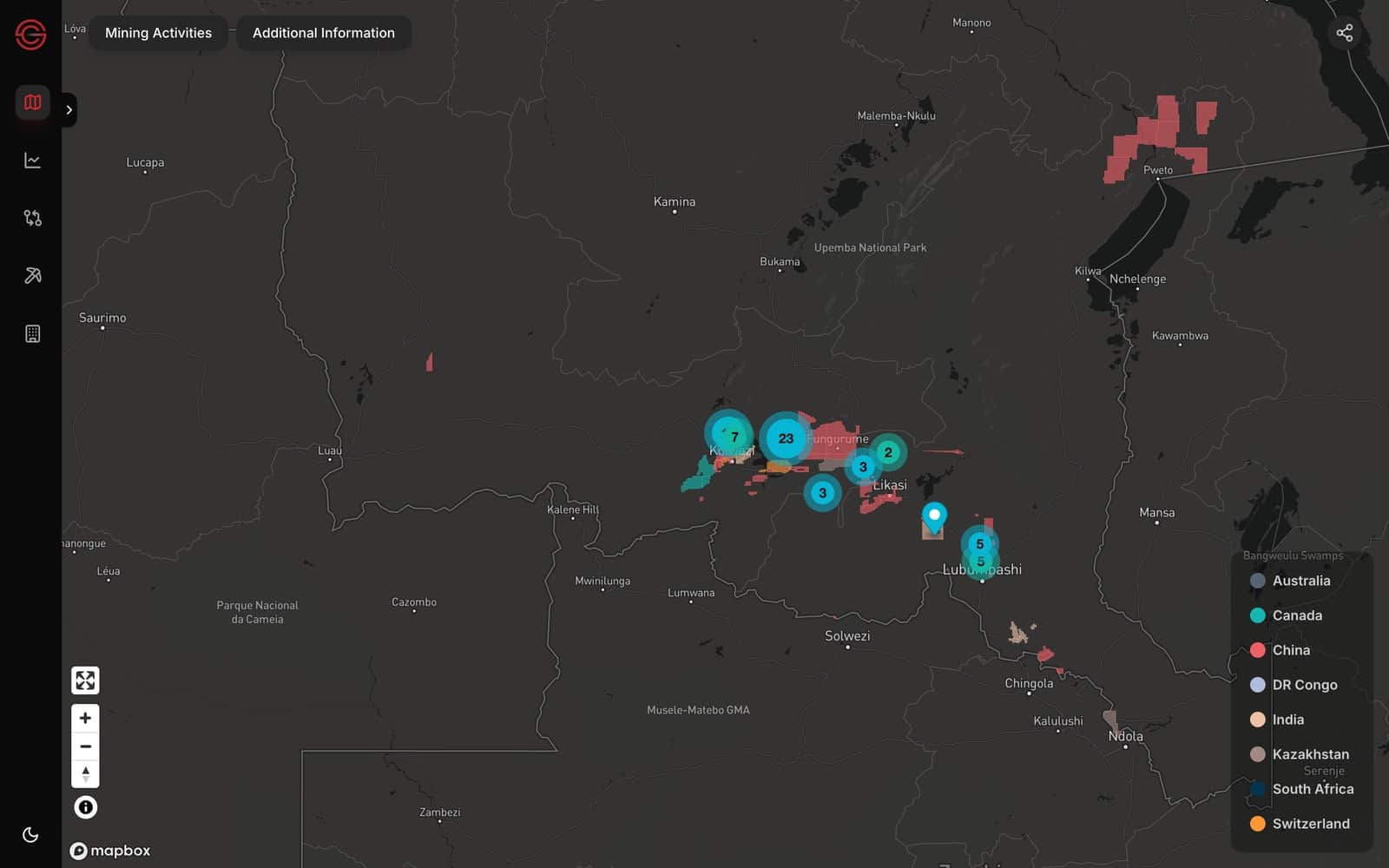
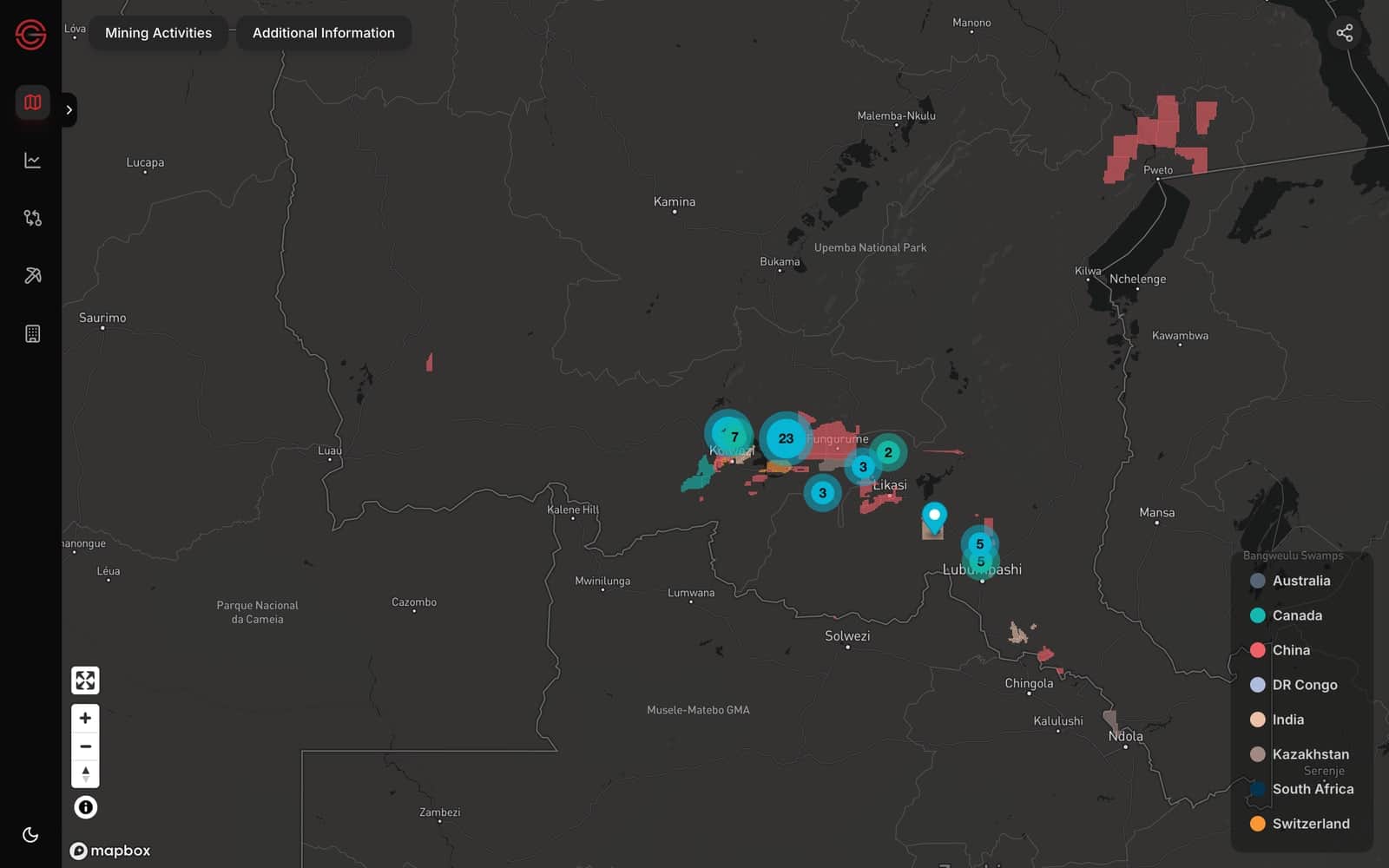
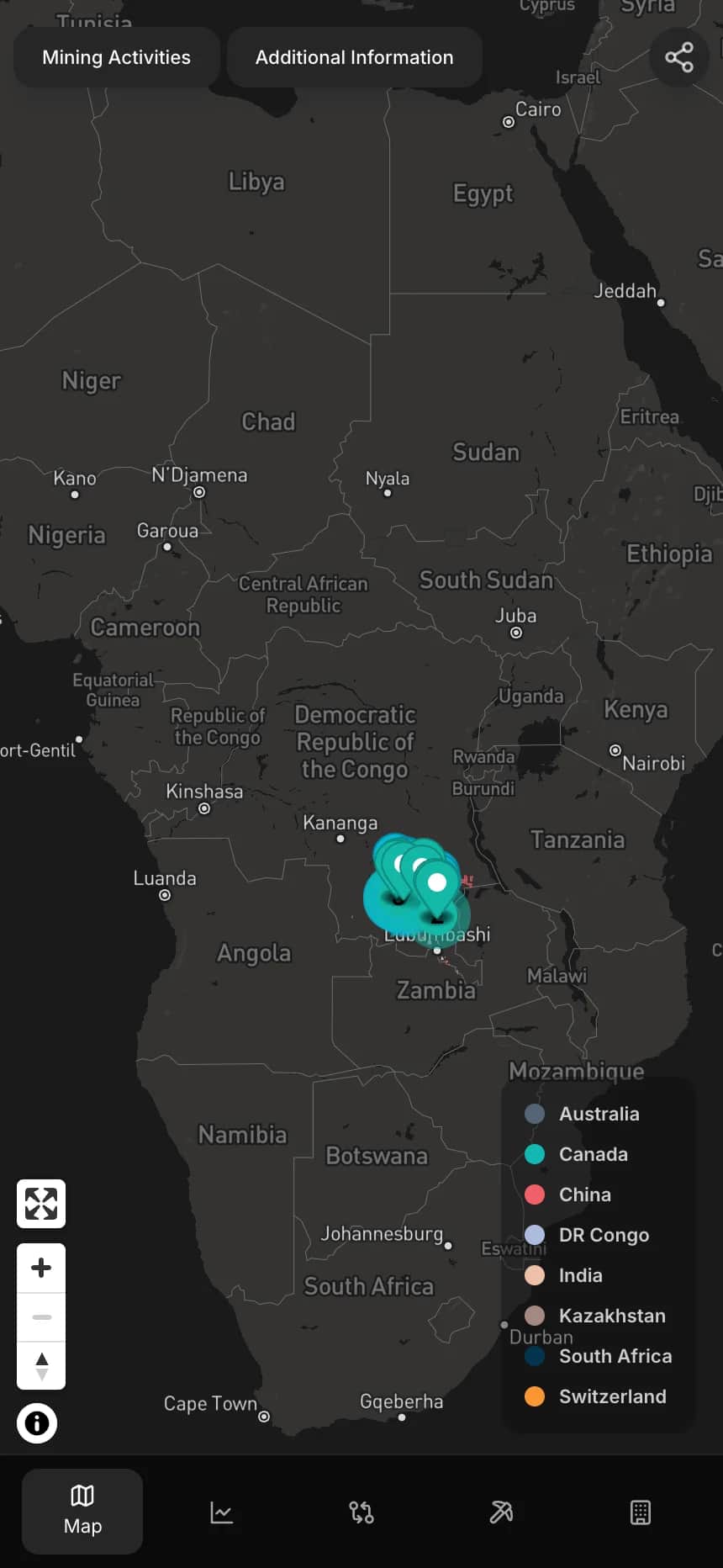
VizStats built a live, commodity-level tracking dashboard for the client that holds all three views in one interface. A map anchors mining activity geographically; a multi-dimensional production overview aggregates output; and an export-flow visualization traces how African cobalt and copper move through the global supply chain. Project- and company-level views let analysts drill from the macro flow down to a single operation. The system is built to remain current as new production data becomes available.

Most tools make you read a supply chain in pieces. This one shows the mine, the volume, and the route in a single view.

01

One supply chain, three lenses

The dashboard refuses the usual trade-off between a map and a table. Mining activity lives on a geographic view, so location and concentration read at a glance. Production sits in a multi-dimensional overview that aggregates output across the operations being tracked. And the export-flow visualization does the work that static reports cannot — it shows movement, following cobalt and copper out of African mining operations and into the global supply chain. Dedicated Projects and Companies views let an analyst pivot from the whole flow to a single actor without losing the thread. Each lens answers a different question; together they describe a supply chain rather than a snapshot.

02

Built to stay current

A commodity tracker is only as useful as its freshness. This one is engineered to remain current as new production data becomes available, so the map, the production figures, and the export flows reflect activity rather than a moment already passed. That design choice reframes the tool: it is not a report to be archived but a live instrument for trade analysts, supply-chain researchers, and impact investors who need to read the market as it moves. The result is a resource that answers next quarter's question with the same interface that answered last quarter's.

Why it matters

The tracker gives trade analysts, supply-chain researchers, and impact investors a single live view of cobalt and copper production and export activity from African mining operations — letting them trace two strategic minerals from extraction into the global supply chain, and revisit the same picture as new data lands rather than waiting on the next static report.